

Why you can trust Android Central
Our expert reviewers spend hours testing and comparing products and services so you can choose the best for you. Find out more about how we test.
The last six months have been pivotal for Honor, a company that often apes Apple’s design but has historically struggled to deliver the same caliber of experiences. But that’s all changed with laptops like the Honor MagicBook Art 14 Snapdragon, phones like the Honor 400 Pro and Honor Magic V5, and now the Honor Magic 8 Pro.
Some of this is Honor’s close relationship with Google, which now allows the company to sit among the elite few offering seven full years of OS updates for its top-tier phones, Magic 8 Pro included, as well as deeply-nested integration with core services like Gemini.
Honor Magic 8 Pro: Price, availability, and specs
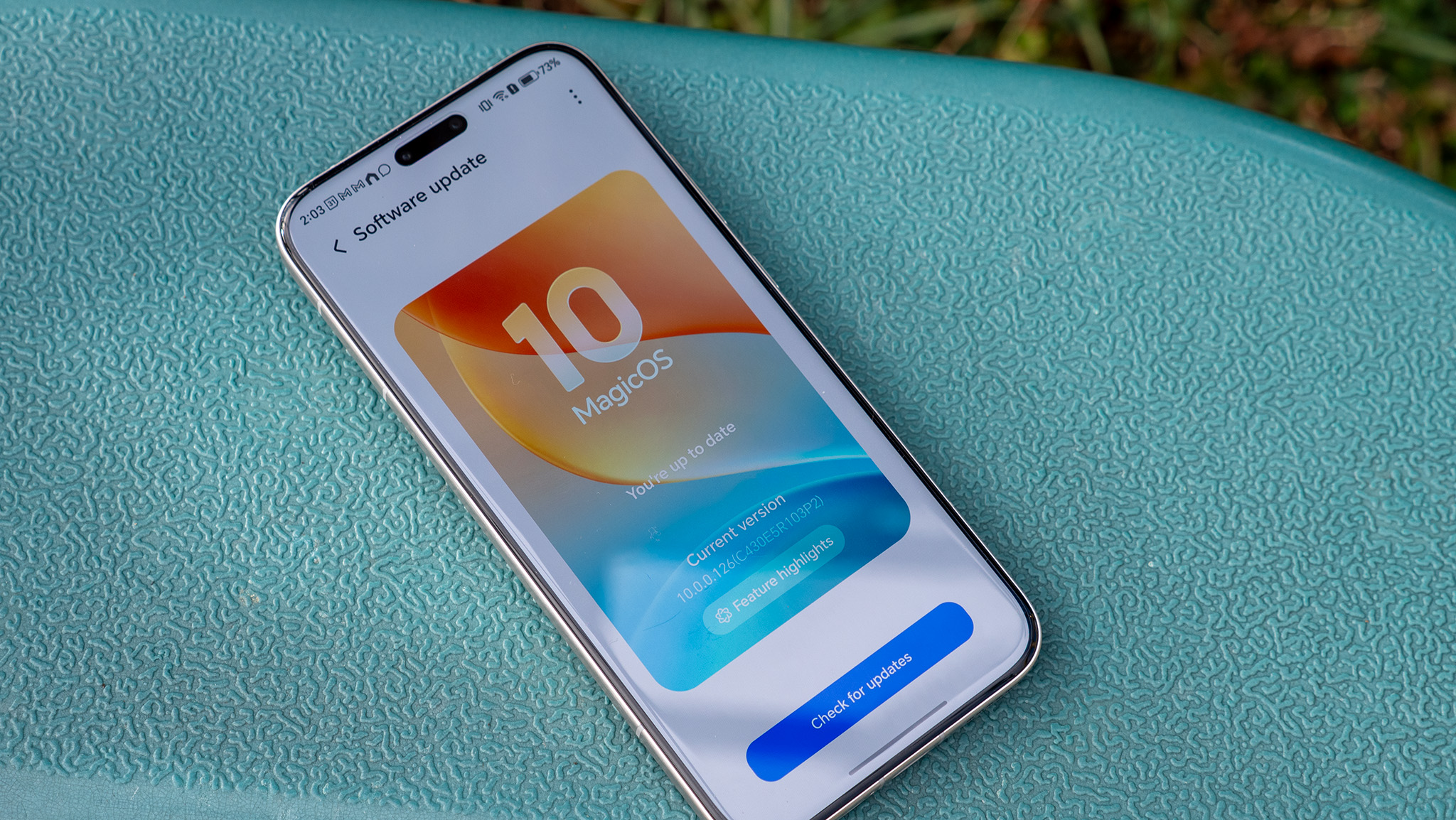
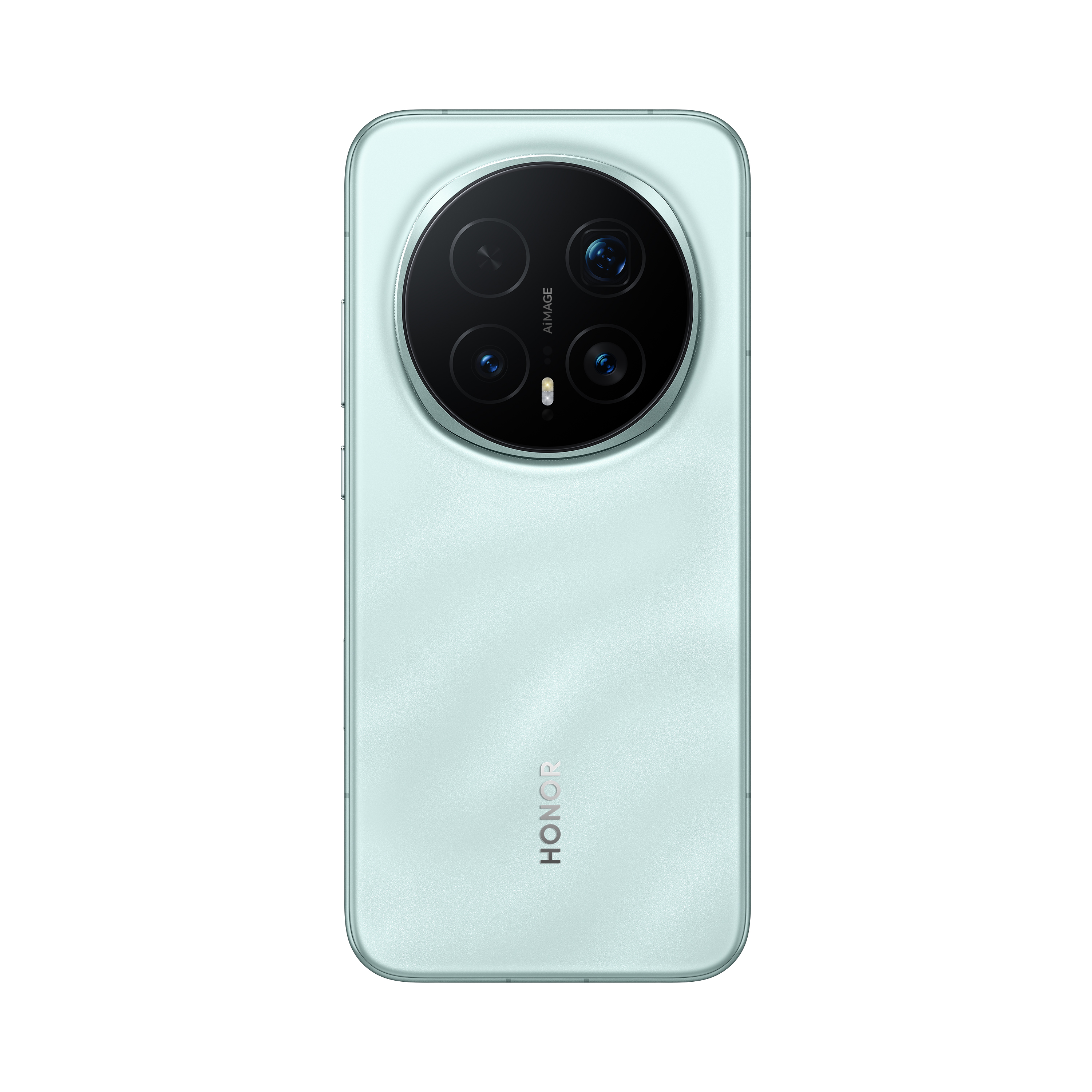
The Honor Magic 8 Pro is available across Europe as of January 7, 2026, starting at £1,099.99/€1,299 for the model with 12GB RAM and 512GB storage. The Magic 8 Pro ships in Sunrise Gold, Sky Cyan, and Black colorways. Our review unit is Sunrise Gold. This phone is not officially available in North America, but I’ve been using it on T-Mobile’s 5G network without issues for a few months.
|
Category |
OnePlus 15 |
|---|---|
|
OS |
Magic OS 10 (based on Android 16) |
|
Display |
6.71-inch curved OLED, 1256 x 2808 resolution (458 PPI), 1-120Hz LTPO, 3,600 nits HBM, NanoCrystal Shield glass |
|
Display eye-friendly features |
DC-like dimming, 3840/4320Hz PWM dimming, 10-bit color depth, blue light blocking, Defocus display, circular polarized, motion-sickness relief |
|
Processor |
Snapdragon 8 Elite Gen 5 |
|
Memory |
12GB RAM |
|
Storage |
512GB UFS 4.1 |
|
Camera 1 (Main) |
50MP, 1/1.3-inch sensor, f/1.6, CIPA 5.5 OIS |
|
Camera 2 (Ultrawide) |
50MP, f/2.0, 122-degree angle, 2.5cm macro focus |
|
Camera 3 (Telephoto) |
200MP, 1/1.4-inch sensor, f/2.6, 3.7x optical zoom, CIPA 5.5 OIS |
|
Selfie Camera |
50MP, f/2.0 |
|
Battery |
6,270mAh Silicon-carbon battery |
|
Charging |
100W wired, 80W wireless |
|
Protection |
IP68, IP69, IP69K, NanoCrystal Shield glass |
|
Security |
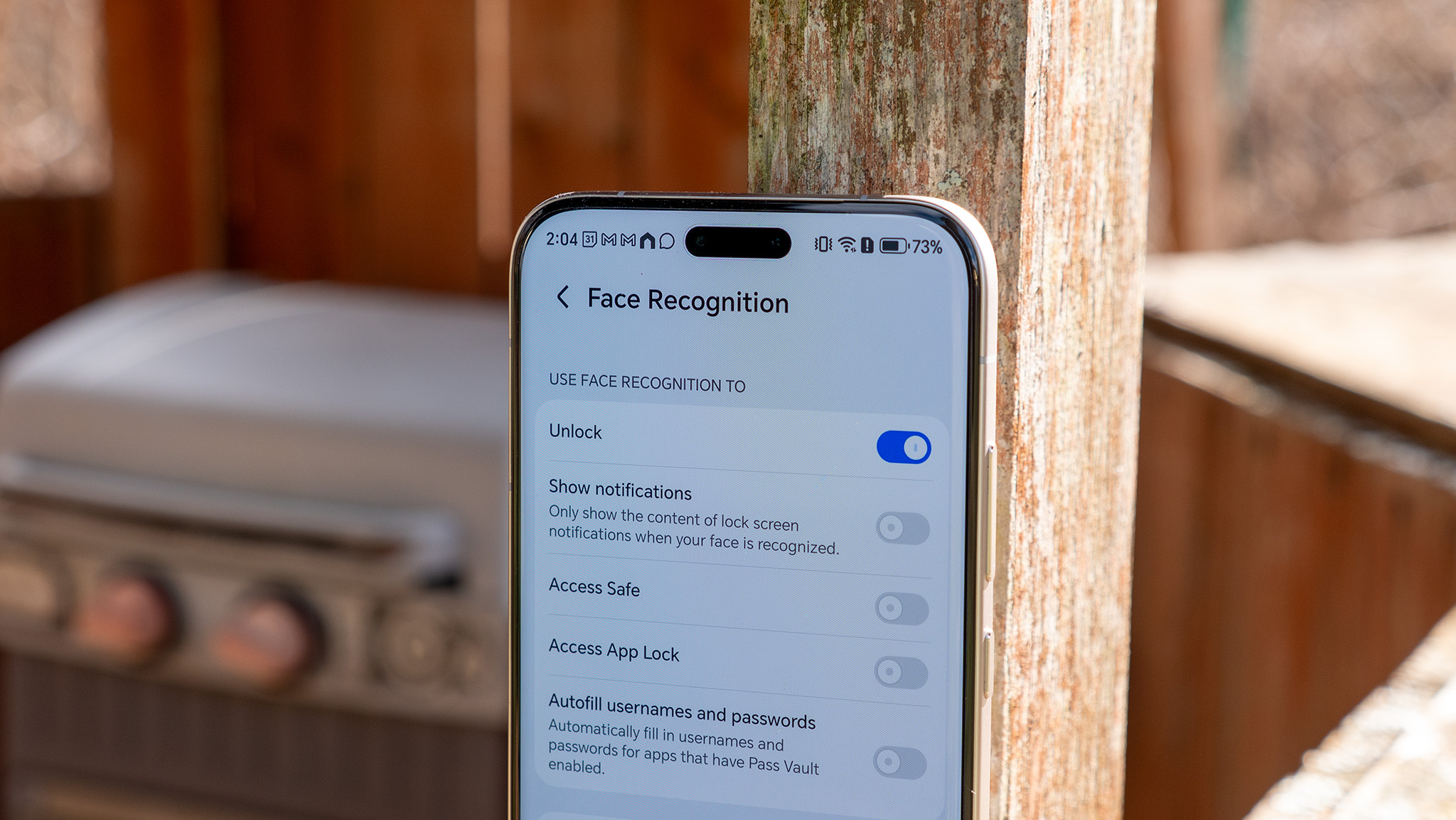
Ultrasonic in-glass fingerprint sensor, 3D TOF facial recognition sensor |
|
Connectivity |
5G, Wi-Fi 7, Bluetooth 6.0 |
|
Dimensions |
161.15mm x 75mm x 8.4mm |
|
Weight |
213g |
|
Colors |
Sunrise Gold, Sky Cyan, Black |
Honor Magic 8 Pro: Design and display
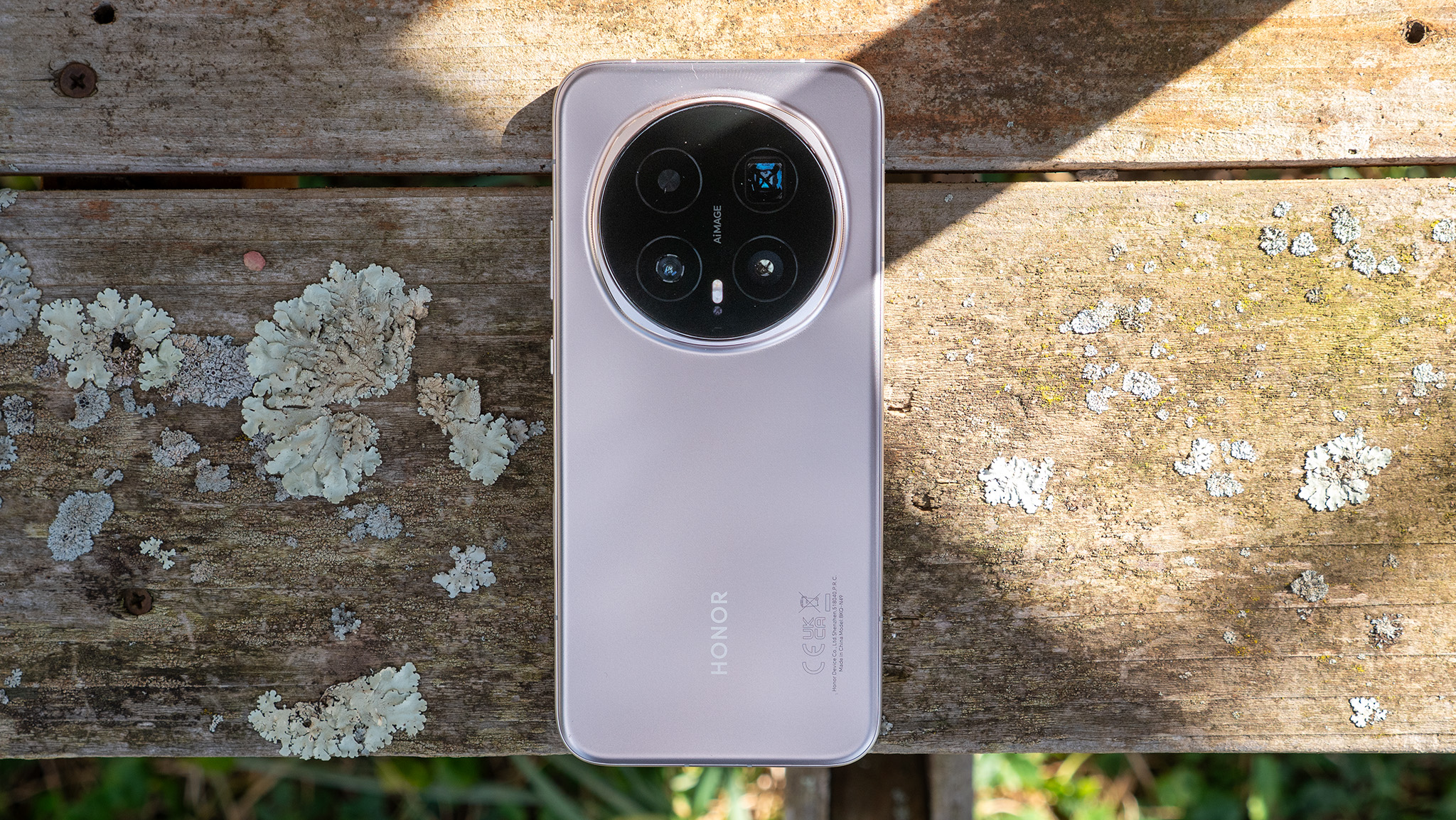
- The thinner, slightly curvier design is nicer to hold than the Magic 7 Pro’s boxier shape, with a large camera island that makes it easy to pick up off a table.
- The OLED display is top-notch in every regard, including class-leading brightness and color accuracy, but doesn’t feature an anti-glare layer.
- Honor has upgraded its Eye Care Display, now including even better eye care features and metrics like true 3840Hz PWM dimming at low brightness.
As with many Honor releases, the Magic 8 Pro closely resembles the latest iPhone’s design in several ways. It ditches the overly boxy design for slightly curvier edges that are more ergonomic, features comfortable rounded corners, and even sports a thinner, lighter chassis. In short, it’s a joy to hold and use daily.
The front and back glass feature the same curve on all four edges, further helping to ensure this is a very comfortable phone to use. The problem with curved glass is that it makes it difficult to find a good tempered glass screen protector. The phone ships with a pre-applied film protector, but there’s nothing quite like the protection offered by tempered glass.
The build itself also received an upgrade from the Magic 7 Pro, now sporting IP69K ingress protection, stronger glass, and haptics that are finally good. Honor’s haptics have long lagged behind the competition, and now they’re finally at least on par with what Samsung offers, although phones from Oppo, OnePlus, and Google still provide a better haptic experience.
Image 1 of 4
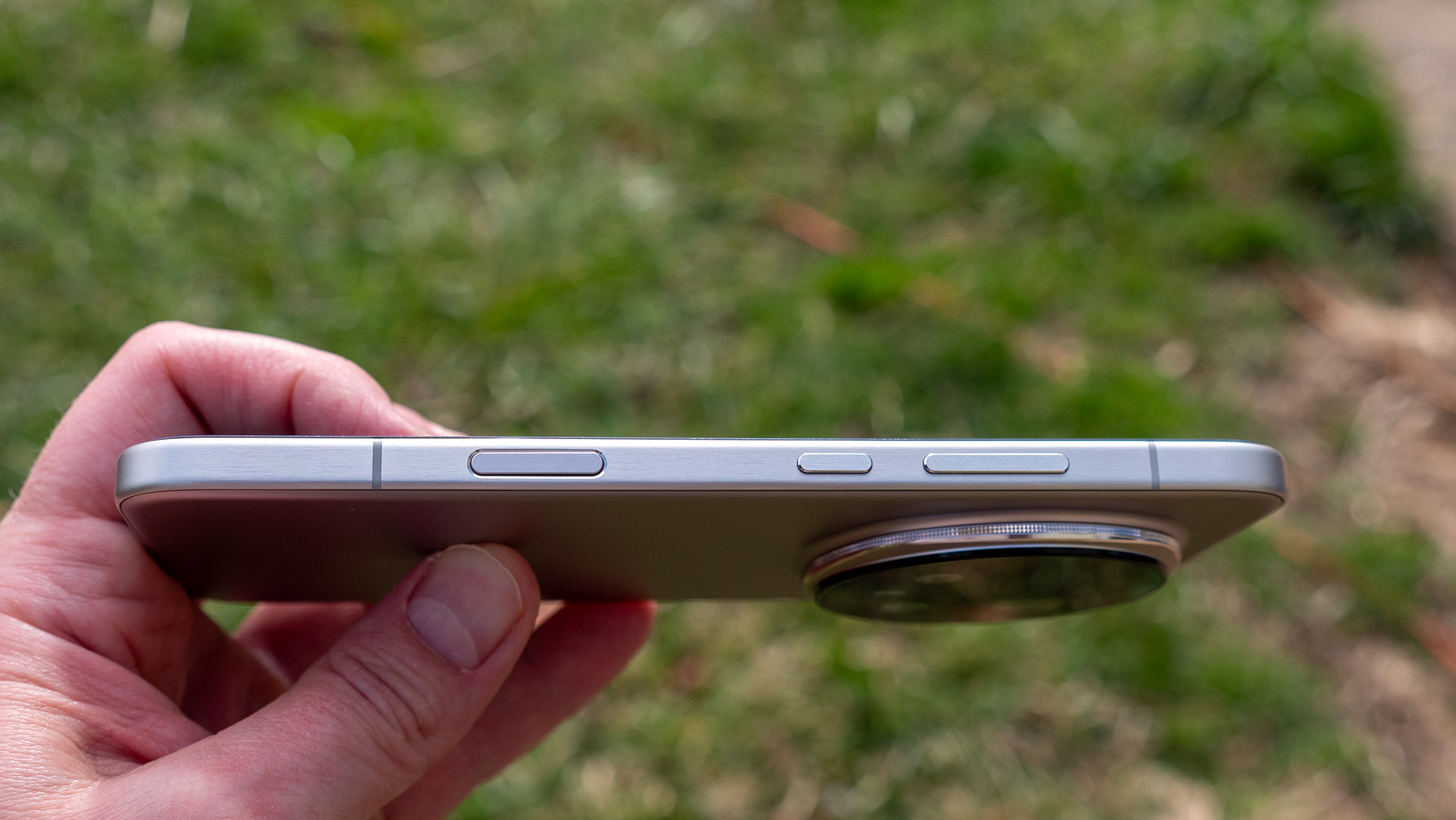
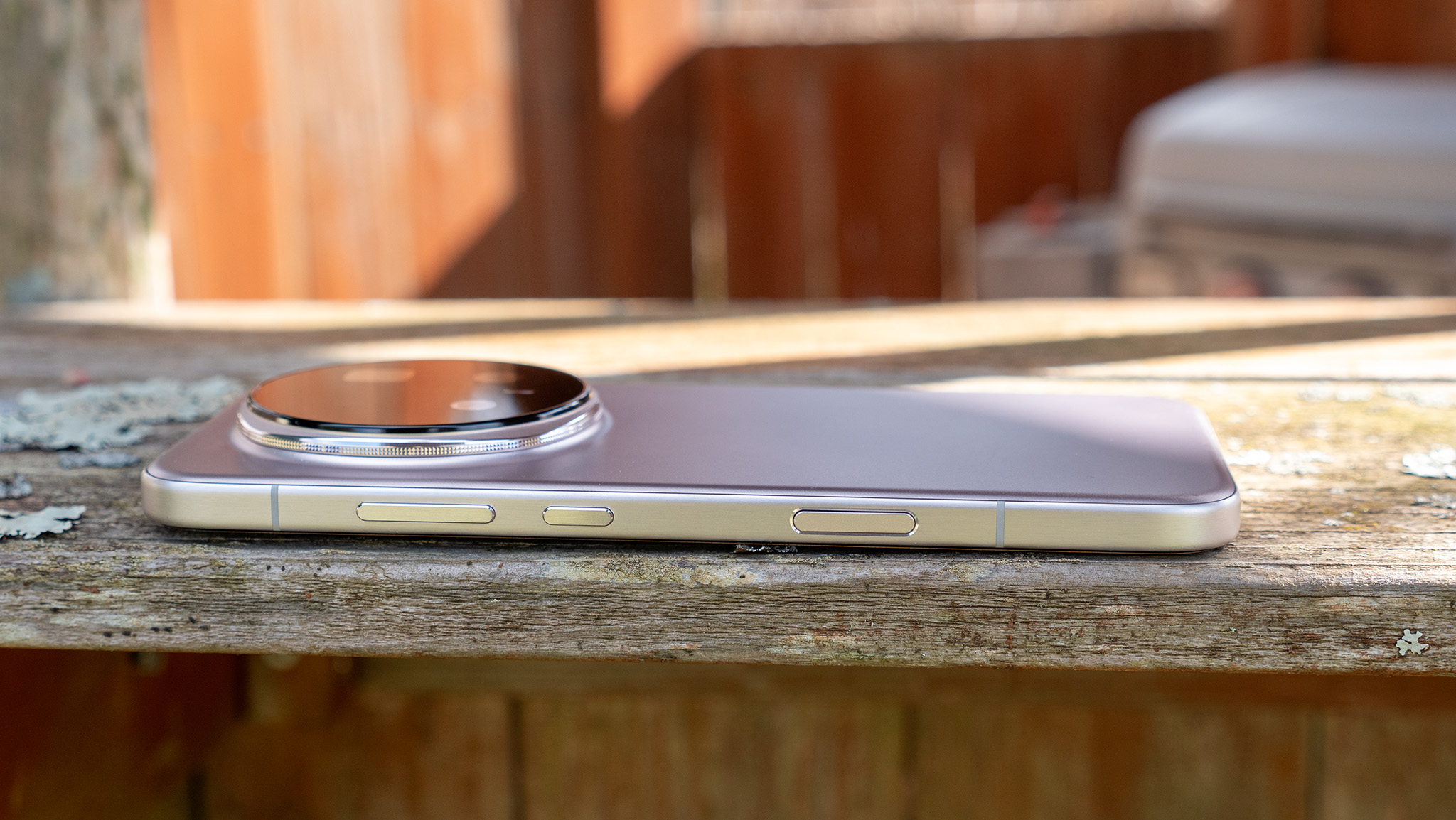
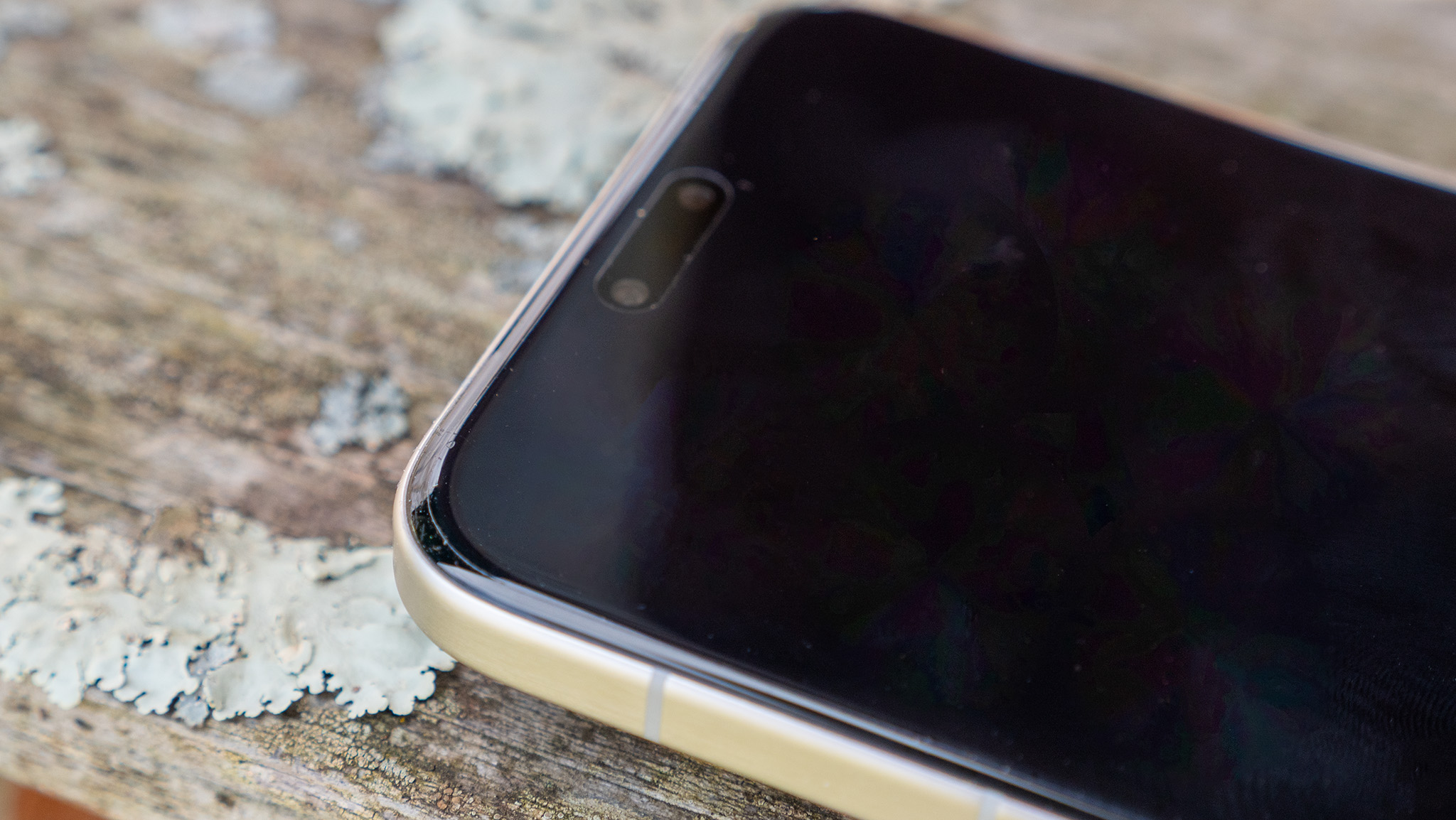
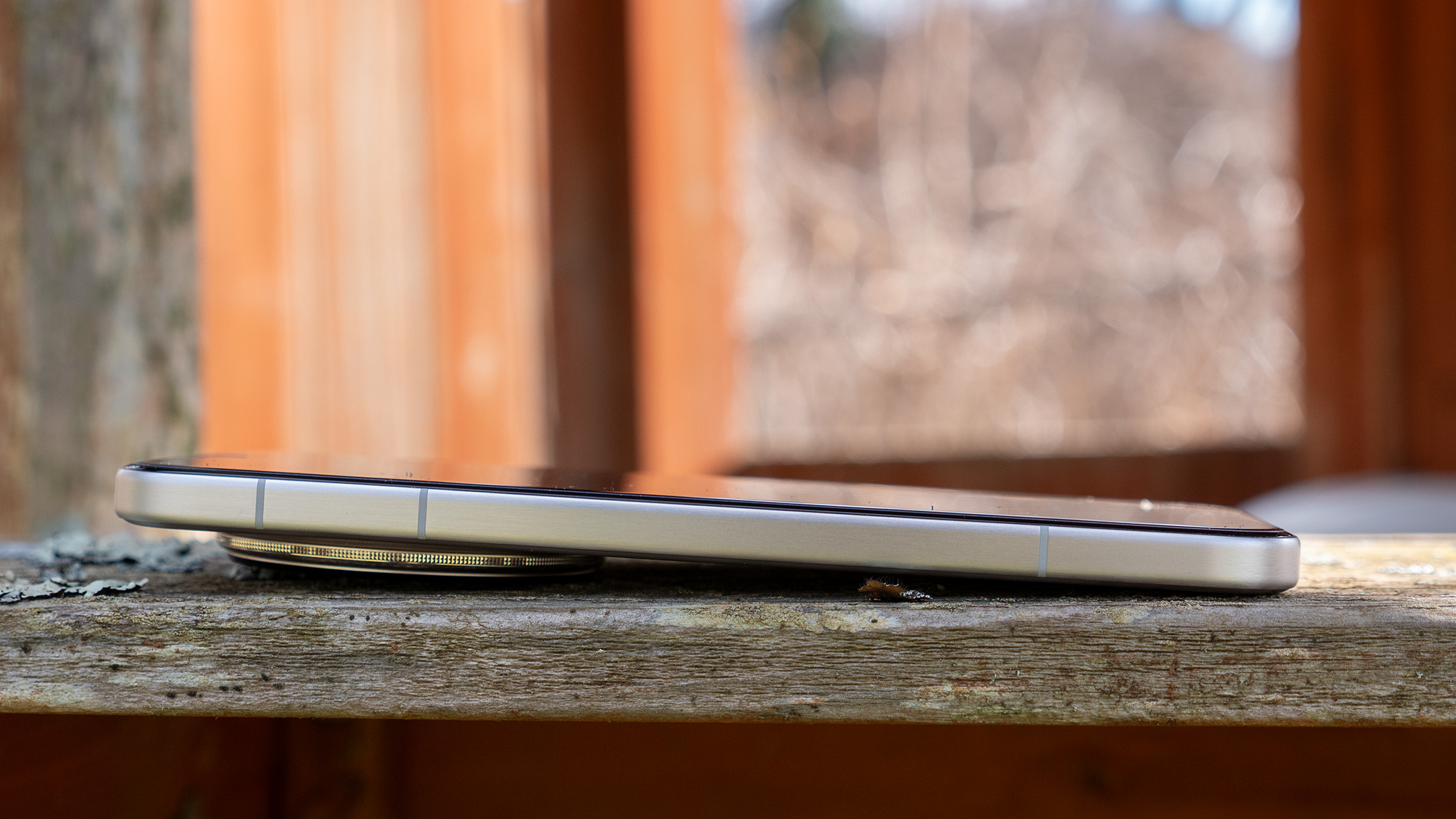
The large camera hump on the back is substantial, but still thinner than the Honor Magic V5’s huge island. While it’s large, it’s still a better design than most of the company’s competition, as the island is not only centered (so it doesn’t wobble on a table), but it’s also totally flat. A large camera island also means the phone is a wedge shape on a table, with an underside that’s easily grippable when compared to most flat phones.
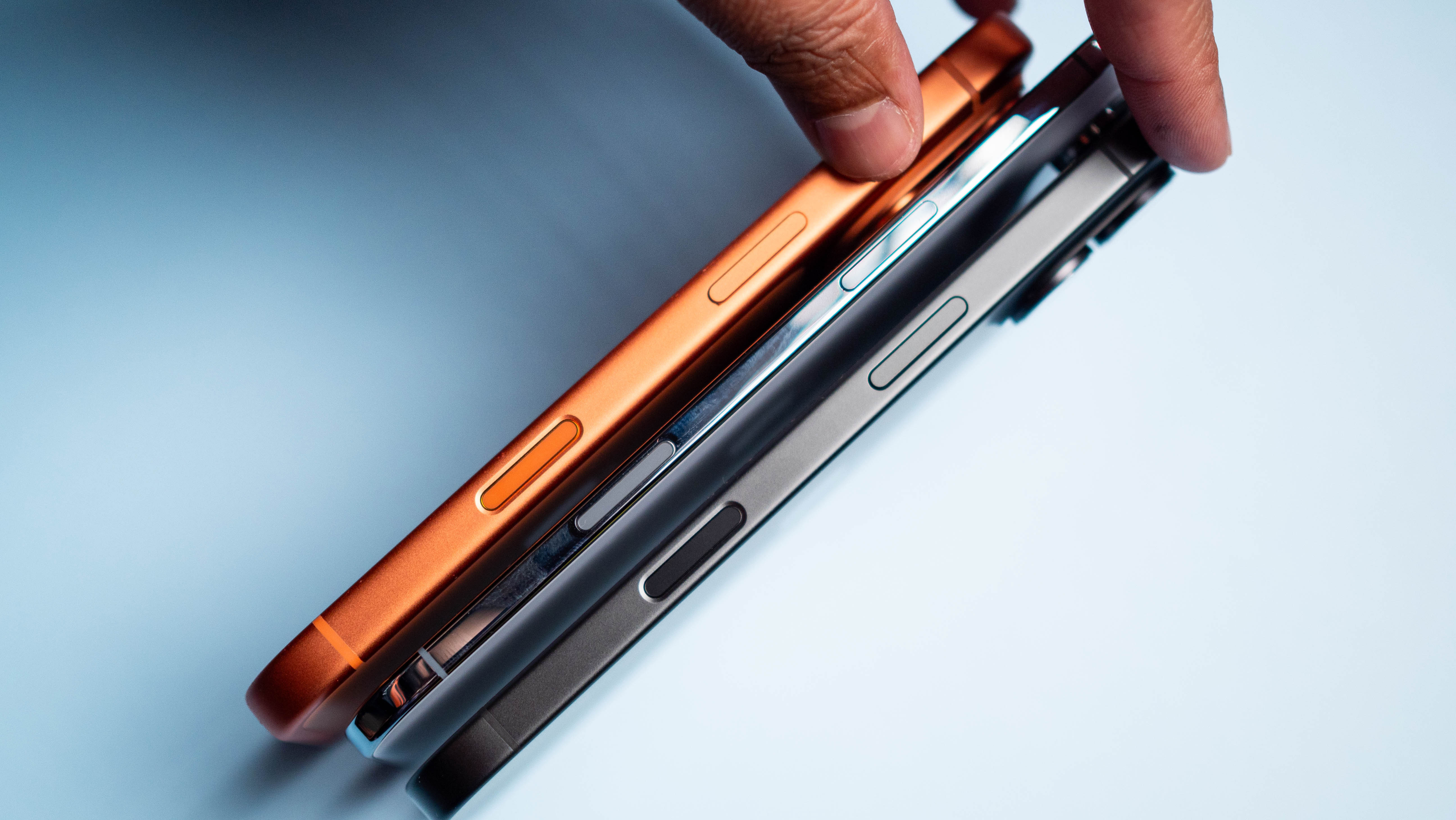
The new side key, located below the power button, acts as a multifunction key to call up the new AI assistant, quickly launch the camera, zoom, and take photos or videos in the viewfinder, and more. It’s a great new addition that’s generally more useful than the side key on phones like the OnePlus 15.
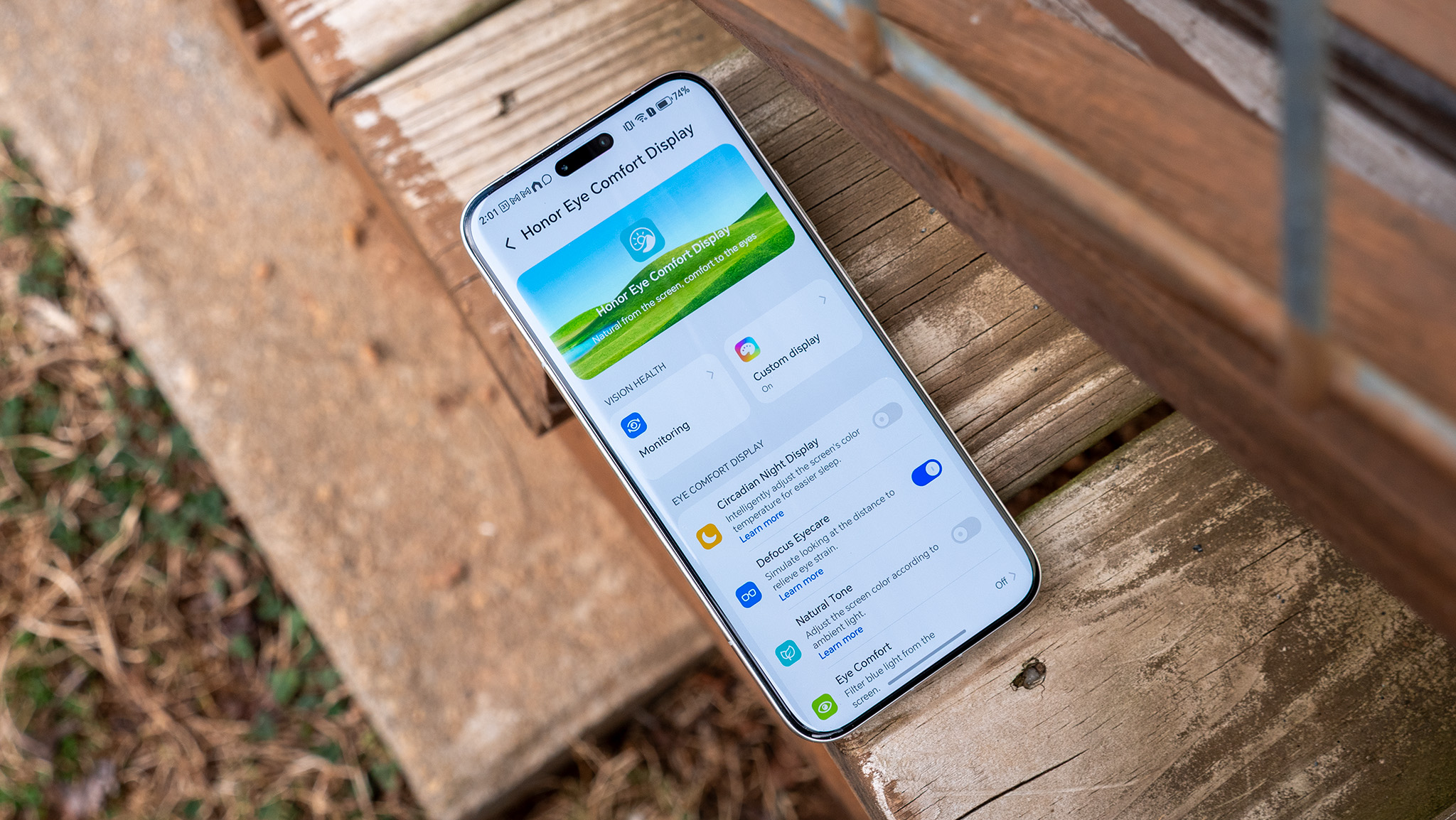
Honor is also setting a new bar for OLED displays with the Magic 8 Pro. I’ve got a detailed Honor Magic 8 Pro display review if you are interested in the nitty-gritty details, but here’s the short of it. The Magic 8 Pro’s OLED is as good as LTPO OLEDs get today, with a 1-120Hz refresh rate range and a class-leading measured peak brightness of 3,600 nits.
It offers tons of color customization options, including detailed sliders for contrast, saturation, RGB, and more than most other companies. The company has also outfitted the phone with two dimming options: an eye-friendly DC dimming mode above 20% brightness and comfortable 3840Hz or 4320Hz PWM modes at low brightness.
Honor even shipped the phone with a new flicker detection tool so you can check the flicker rate of nasty LEDs around you, something never before done by a smartphone company. It’s a substantial upgrade over anything Samsung, Google, or Apple offers on their phones, and additional eye care options ensure nearly everyone will find this phone’s display comfortable, even for PWM-sensitive people.
Honor Magic 8 Pro: Battery life, performance, and software
- MagicOS 10 (based on Android 16) represents a significant step forward in UX and offers 7 years of OS updates.
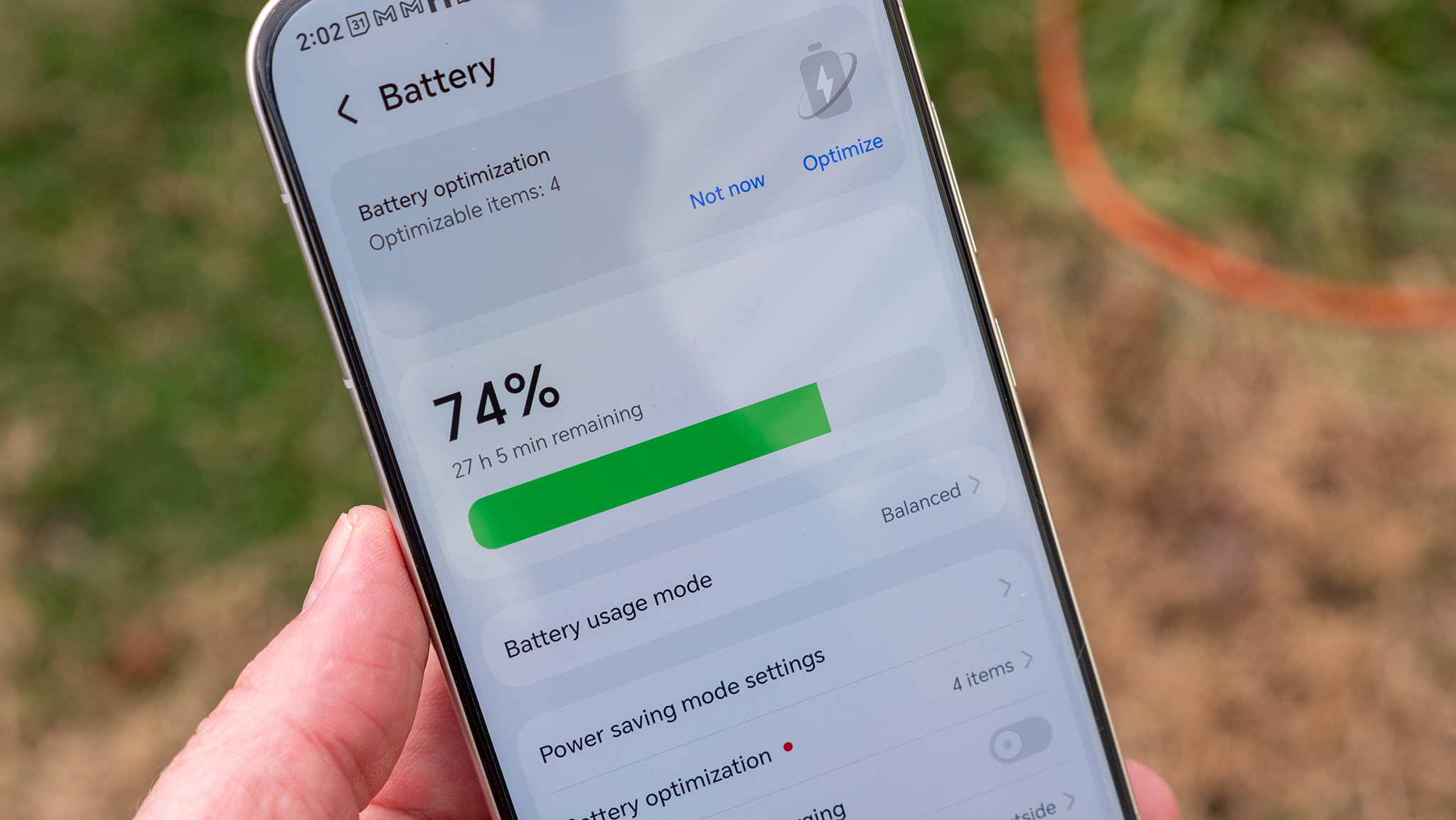
- Battery life is better than most flagship phones, with a large silicon-carbon cell and ultrafast charging with the included charger.
- Performance is as good as it gets in 2026, although some may scoff at only 12GB RAM in a flagship at this price.
Honor has been leading the charge on silicon-carbon batteries for a few years now, and notable improvements this year led to thinner phones with larger batteries and faster charging. The Magic 8 Pro follows that line of progress, and while the China model has a bigger battery, the 6,270mAh battery in the international model is no slouch.
You’ll easily get two days’ battery life per charge, and it takes only a few minutes with the included charger to get a full day’s use from the phone. It’s a spectacular performance that’s not quite class-leading, but it’s significantly better than what’s offered by Samsung, Google, or Apple.
And while MagicOS 10 (based on Android 16) is the company’s best work yet, Honor’s software still needs a bit of work to match those three companies. At least, this phone’s seven-year software update commitment ensures you’ll see further improvements as the company continues to hone its development process over the next few years.
Image 1 of 4
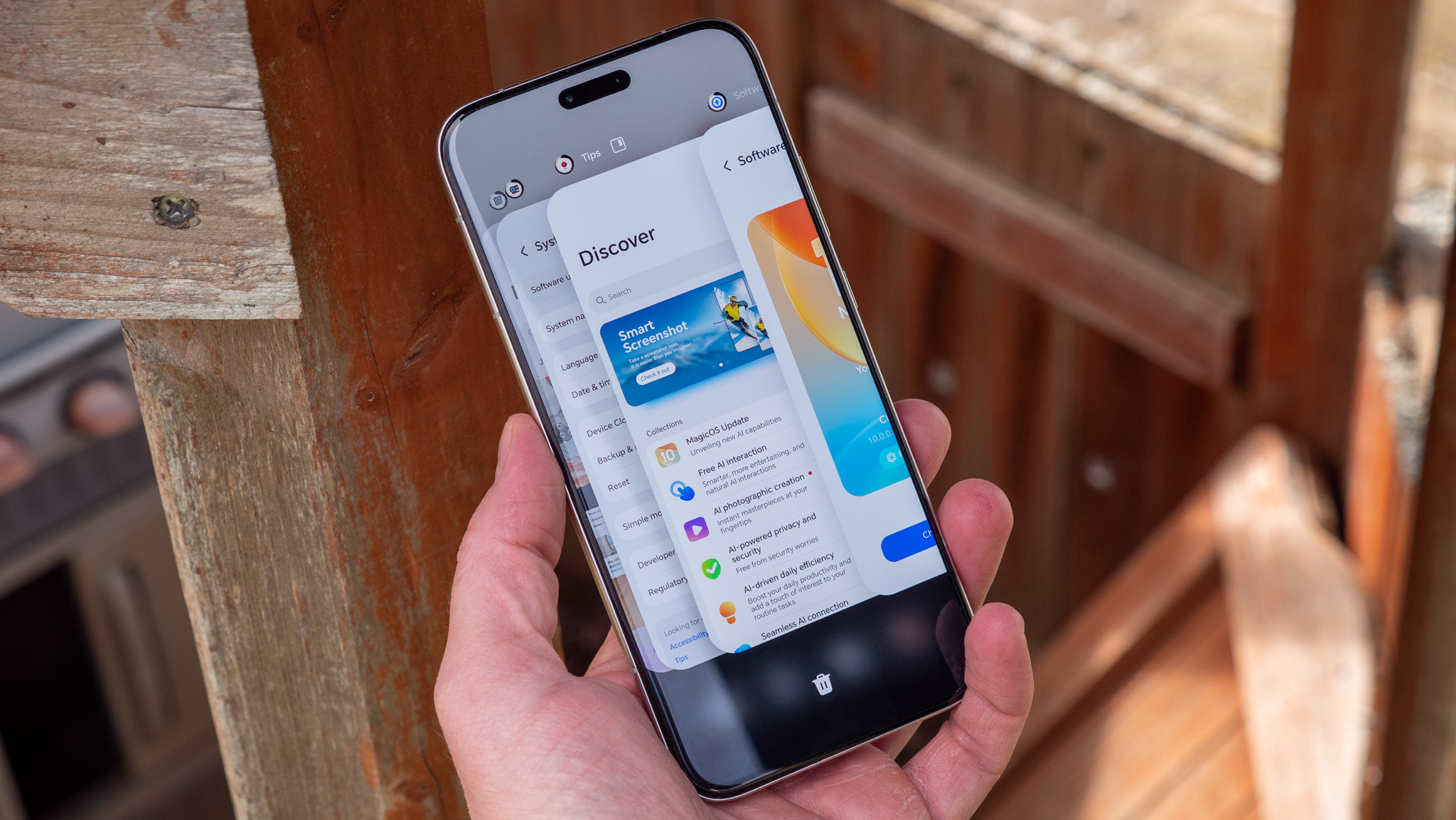
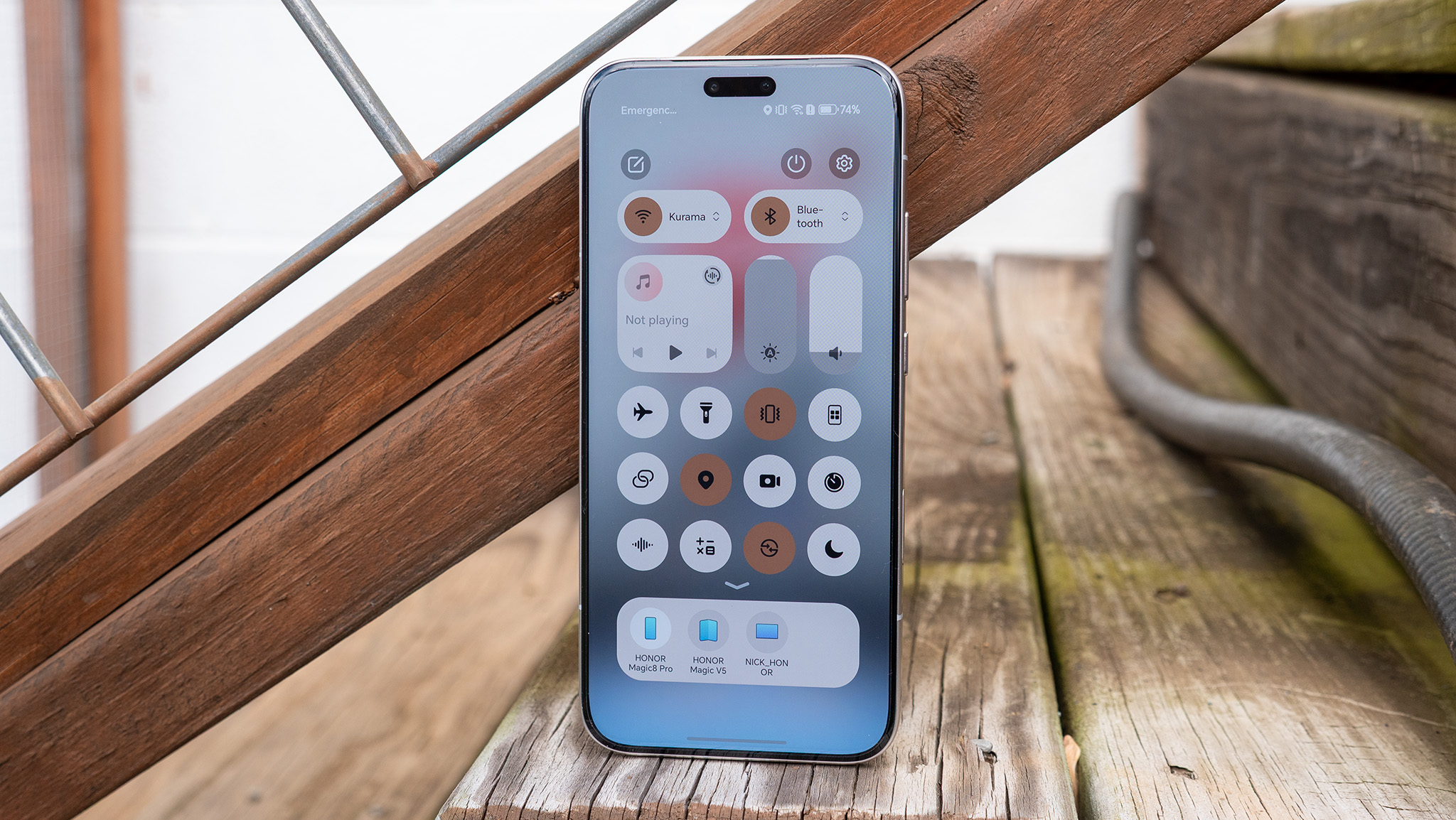
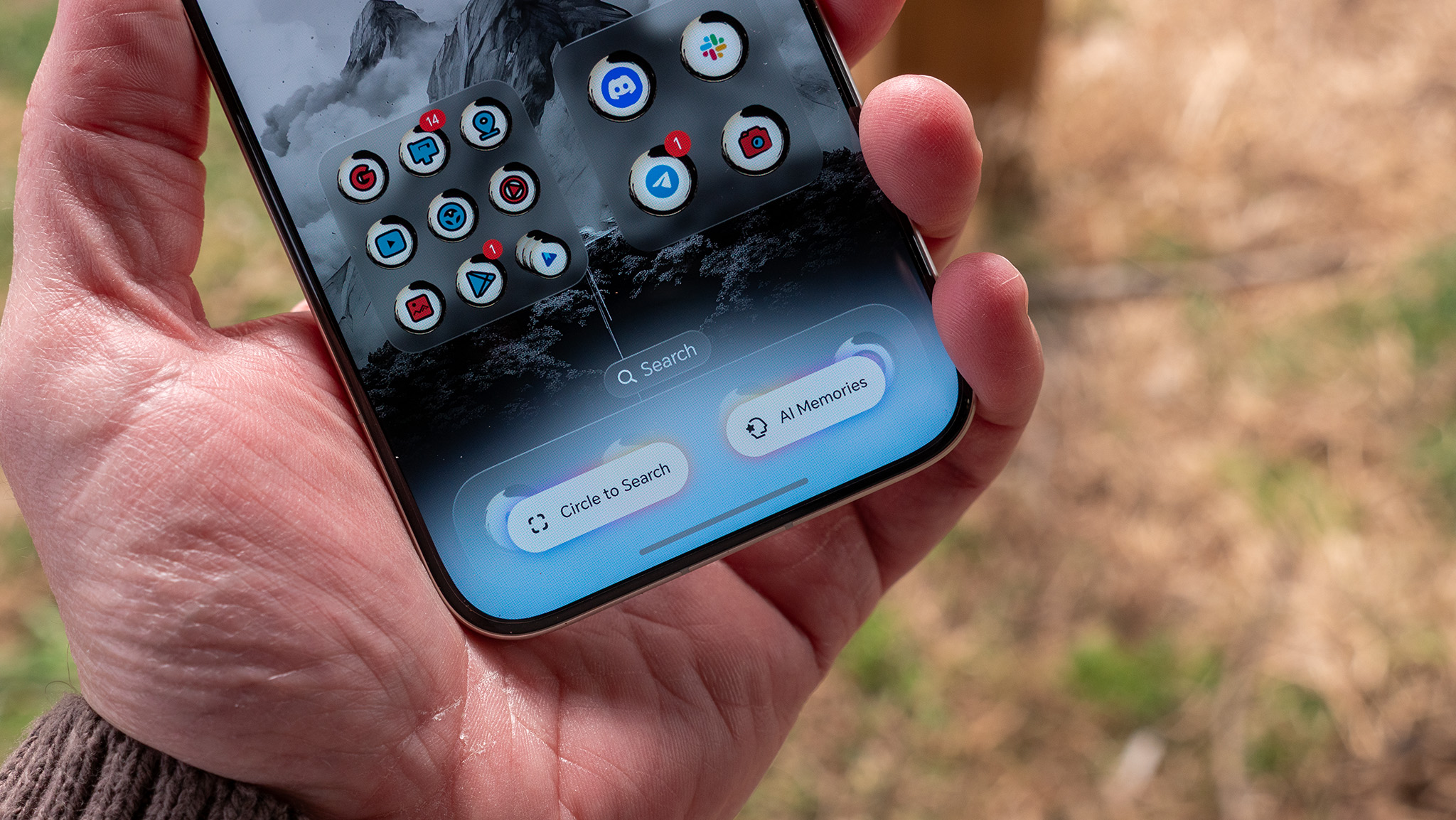
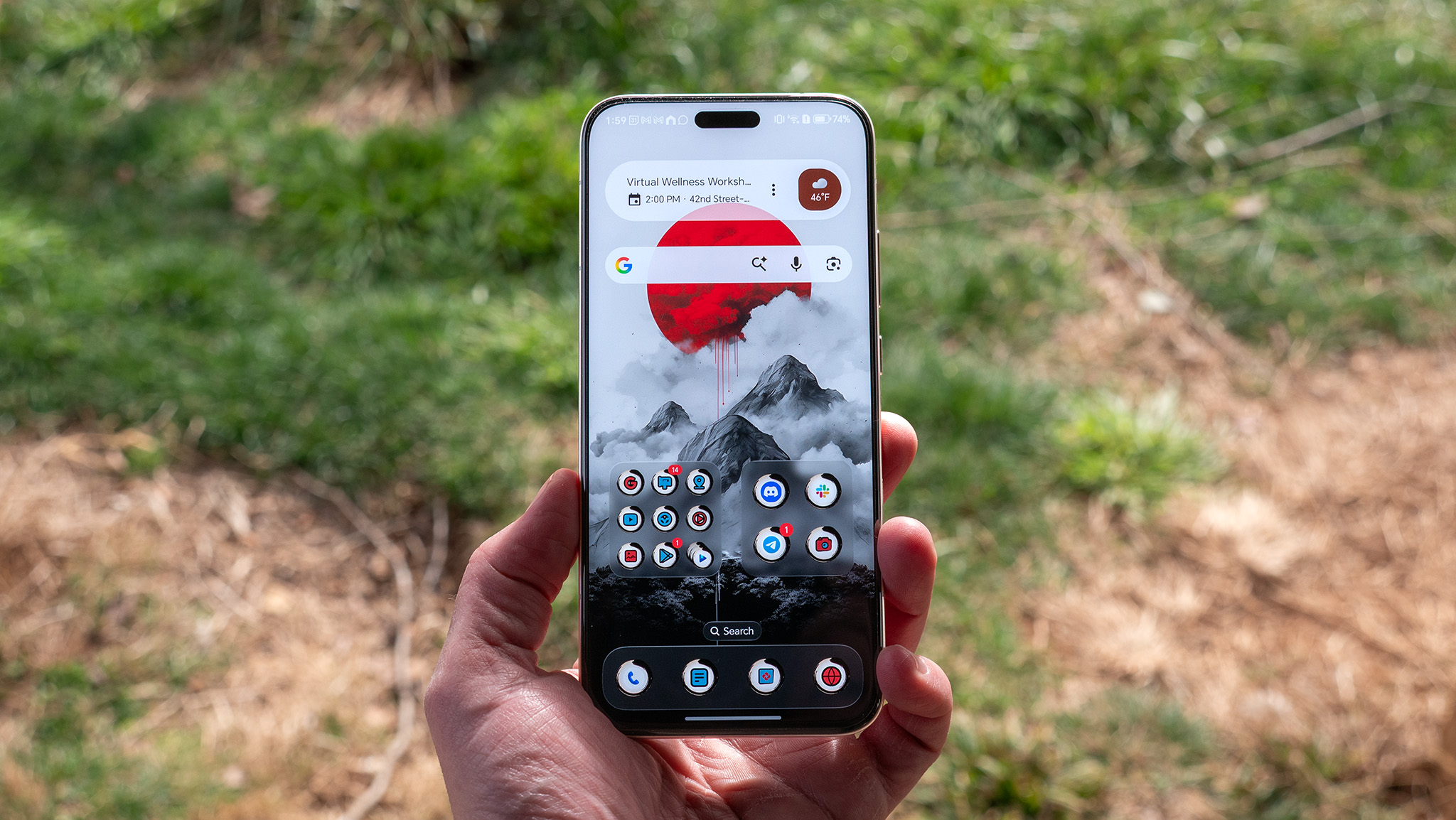
MagicOS 10 represents the closest we’ve seen Honor ever work with Google, including AI features powered by Google’s cloud, integration with Gemini features like Circle to Search, and more.
The new sidekey can be long-pressed to launch an agentic AI tool that’ll scan the screen and suggest quick actions to be taken. I’ve found this to be more useful than other “AI keys” on phones because it suggests actions I’ll actually use. Phones like the Nothing Phone 3 or the OnePlus 15 often use this kind of key to take screenshots and file them into an AI-powered app for later searching, but I never found myself integrating those tools into my daily routines.
My biggest pet peeve with Honor’s MagicOS is that it still unnecessarily copies iOS in far too many ways. The new “stacked” multitasking UI is a direct clone of iOS’s UI, but that’s an actual improvement over the garbage UI stock Android still uses. But several other areas aren’t an improvement, like no option to consolidate notifications and quick toggles into one notification pane, and a basic home screen launcher that lacks the customization of other Android brands.
Honor Magic 8 Pro: Cameras
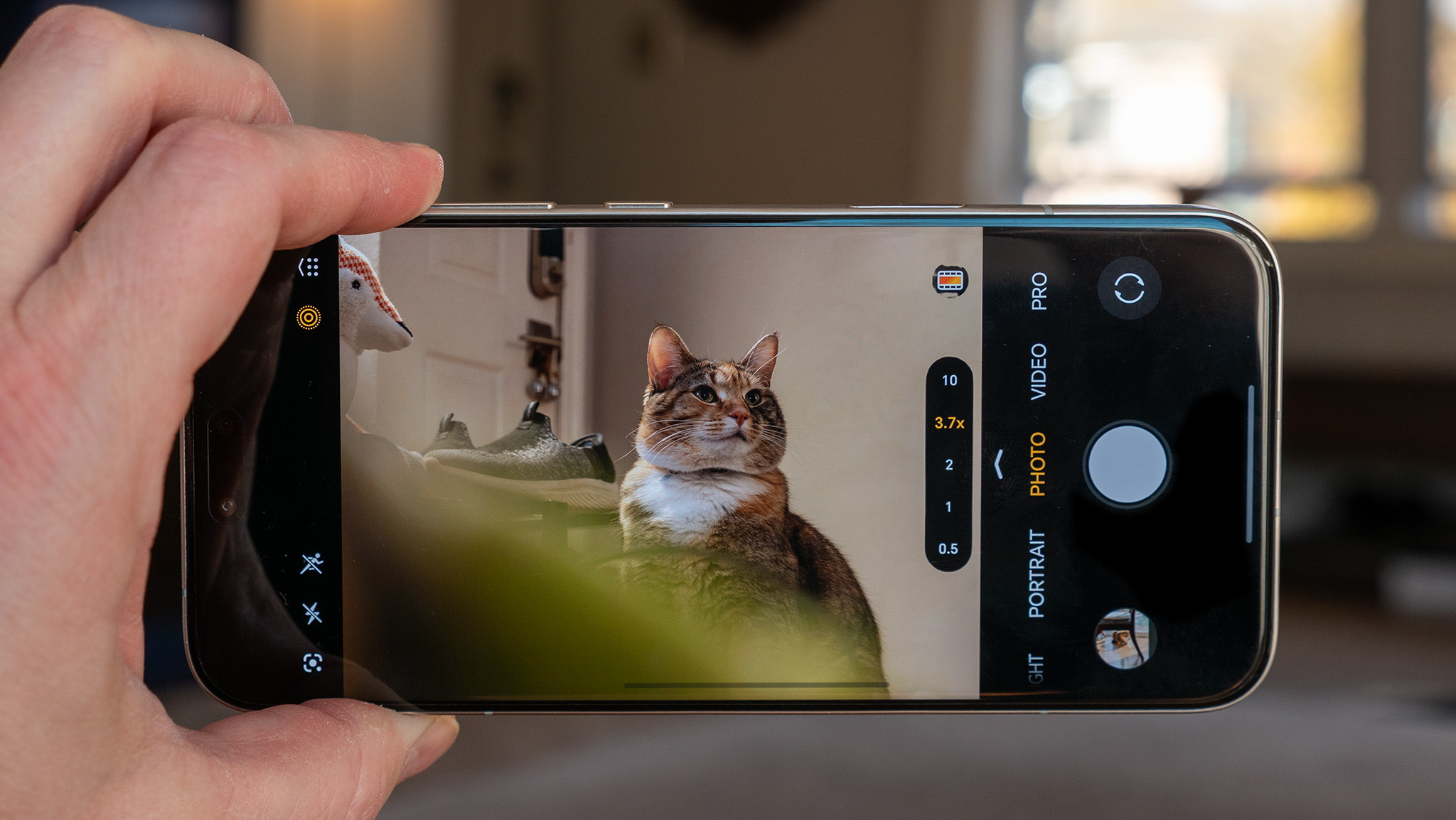
Honor began seriously focusing on (pun intended) its telephoto camera experience starting with the Magic 6 Pro, which debuted a 180MP camera behind that lens. The Magic 7 Pro upgraded that to a 200MP sensor, and now the Magic 8 Pro camera further upgrades the experience with a better 3.7x lens and CIPA 5.5-grade OIS.
For everyone who has never heard of CIPA, a 5.5 rating basically means you can take impressively long exposure shots even in the dark without putting the phone on a tripod. The same system is used on the main camera and ensures that your low-light photos come out looking more detailed, better exposed, feature more accurate colors, and have much less blurring than most smartphones.
It’s also a giant sensor, and I don’t just mean the megapixel count. A 1/1.4-inch sensor is physically large, and that size, combined with the f/2.6 lens, means you’re getting impressive bokeh on every shot, not just those taken in portrait mode. Those photos look more like something from a DSLR than other smartphones can deliver, and it’s the highlight of the camera experience for me.
Image 1 of 6
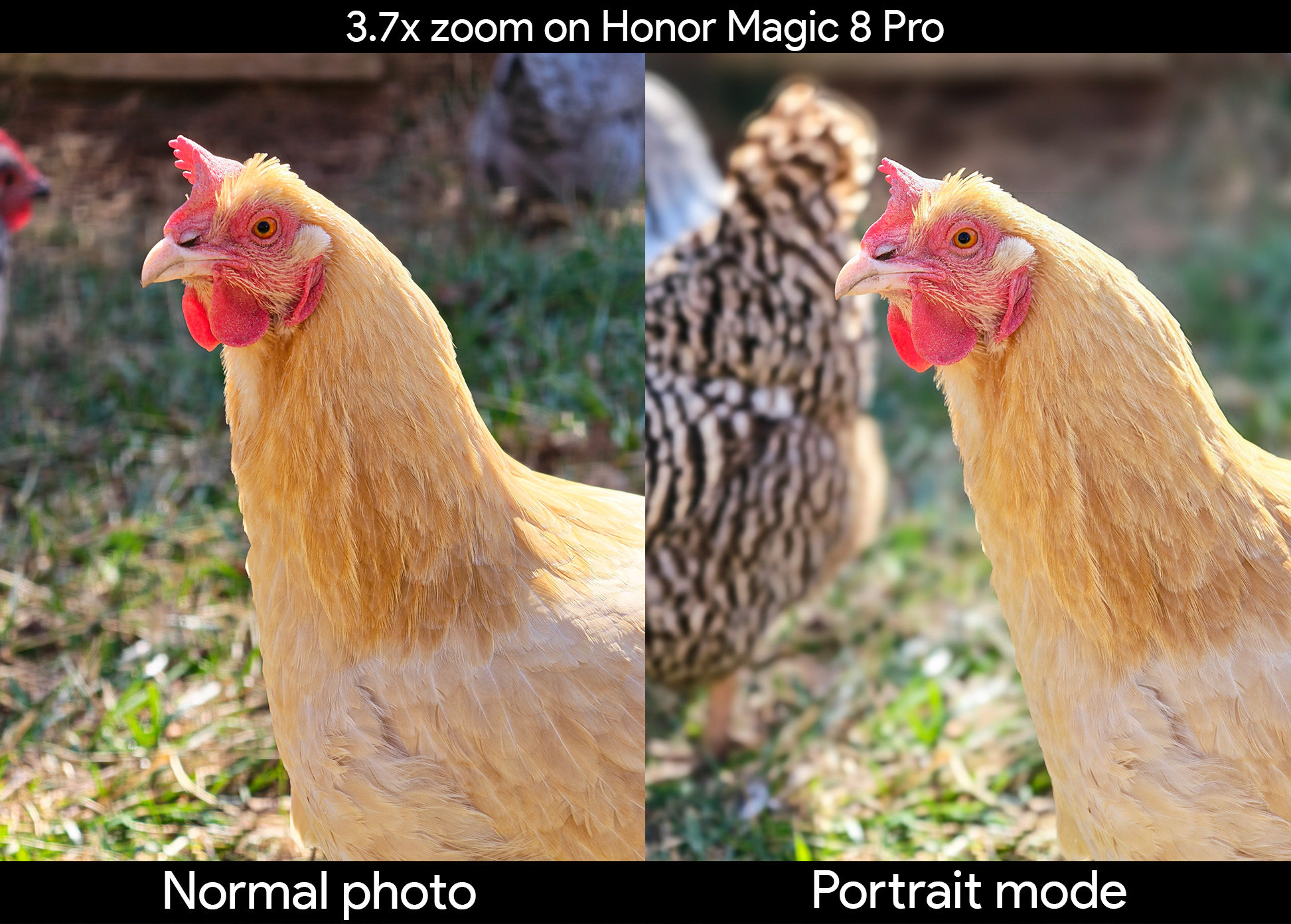





The rest of the camera experience is also good, but that telephoto camera is easily the best part. I found myself regularly backing up just a bit so I could use the phone’s 3.7x zoom more often to achieve the natural bokeh (background separation) created by such a sizable sensor.
Low-light photography is also excellent, and Honor continues to do an excellent job of capturing motion when compared to many other brands. The phone is also capable of recording video at 4K resolution and 120FPS, though I’ve noticed an apparent clarity drop-off at 60FPS and above when lighting isn’t perfect. Check out my full Honor Magic 8 Pro camera review to see the full breakdown.
Honor Magic 8 Pro: Competition
Honor’s biggest competition is the iPhone 17 Pro Max, the OnePlus 15, and the Galaxy S25 Ultra (or the upcoming Galaxy 26 Ultra). Honor offers a compelling way to switch from iPhone while still retaining the ecosystem syncing that Apple offers. I use an Honor laptop, Honor phones, and occasionally an Honor tablet, and they all work exceedingly well together. Honor is also the only brand offering secure face unlock with a 3D sensor like Apple.
Samsung also offers quite a bit of added value with their phones, especially if you use a lot of Samsung products in your home. The company’s OLED displays are far harsher than Honor’s and give some people (like me) headaches, and I don’t like Samsung’s flat and sharp hardware designs at all; they’re just uncomfortable to hold. Plus, you’re looking at slower charging and worse battery life, but it’s hard to ignore how good One UI is these days.
OnePlus offers the most balanced experience between all these phones, with even better battery life than the Magic 8 Pro. The cameras aren’t as good, but Oxygen OS offers more features and a better UI, plus notably better haptics than any other choice on this list, as well as a 165Hz eye-friendly OLED that’s great for gaming.
Honor Magic 8 Pro: Should you buy it?
You should buy if…
- You want a phone that’s comfortable to hold, tough, relatively light, and offers top-notch biometric options and long-term software support.
- You need a phone with an eye-friendly OLED and plenty of accessiblity options.
- You enjoy taking photos and want the best telephoto quality we’ve seen to date.
- You want deep ecosystem tie-in and syncing with other Honor devices.
You shouldn’t buy if…
- You absolutely have to use a good tempered glass protector.
- You record lots of video and want the highest quality.
I’ve grown to really like Honor’s phones and devices over the past few years, and it’s now incredibly easy to recommend Honor phones as viable alternatives to Samsung, Google, OnePlus, and other brands. The company offers plenty of reasons to use its phones, including better displays and cameras, longer battery life, faster charging, and strong ecosystem integration with its other devices.
Honor could improve the video-capture experience when recording at 60FPS, especially in low light, and the phone’s overall UI still needs a bit of improvement to match other brands. But the number of excellent features here, including Magic Portal, Magic Ring, and the side key with contextual AI, makes MagicOS 10 extremely compelling in ways it wasn’t before.
This is an excellent phone that I’ll be happy to continue using for the foreseeable future, and long-term software support helps solidify that decision. The only problem is availability, since Honor phones still aren’t officially available in North America.
Via: androidcentral.com